
Chemical Peel vs Microneedling: Which Fits?
- Jun 17
- 5 min read
When patients ask about chemical peel vs microneedling, they are usually asking a more personal question: Which treatment will actually help my skin look smoother, clearer, and more refreshed without making me look overdone? That is the right question to ask. Both treatments can improve skin quality, but they work differently, recover differently, and suit different concerns.
If you are deciding between the two, the best choice depends on what bothers you most in the mirror. Uneven tone and sun damage often respond well to a chemical peel. Acne scars, fine lines, and texture concerns may lean more toward microneedling. In many cases, the answer is not that one treatment is better. It is that one treatment is better for your skin goals, timeline, and comfort with downtime.
Chemical peel vs microneedling: the core difference
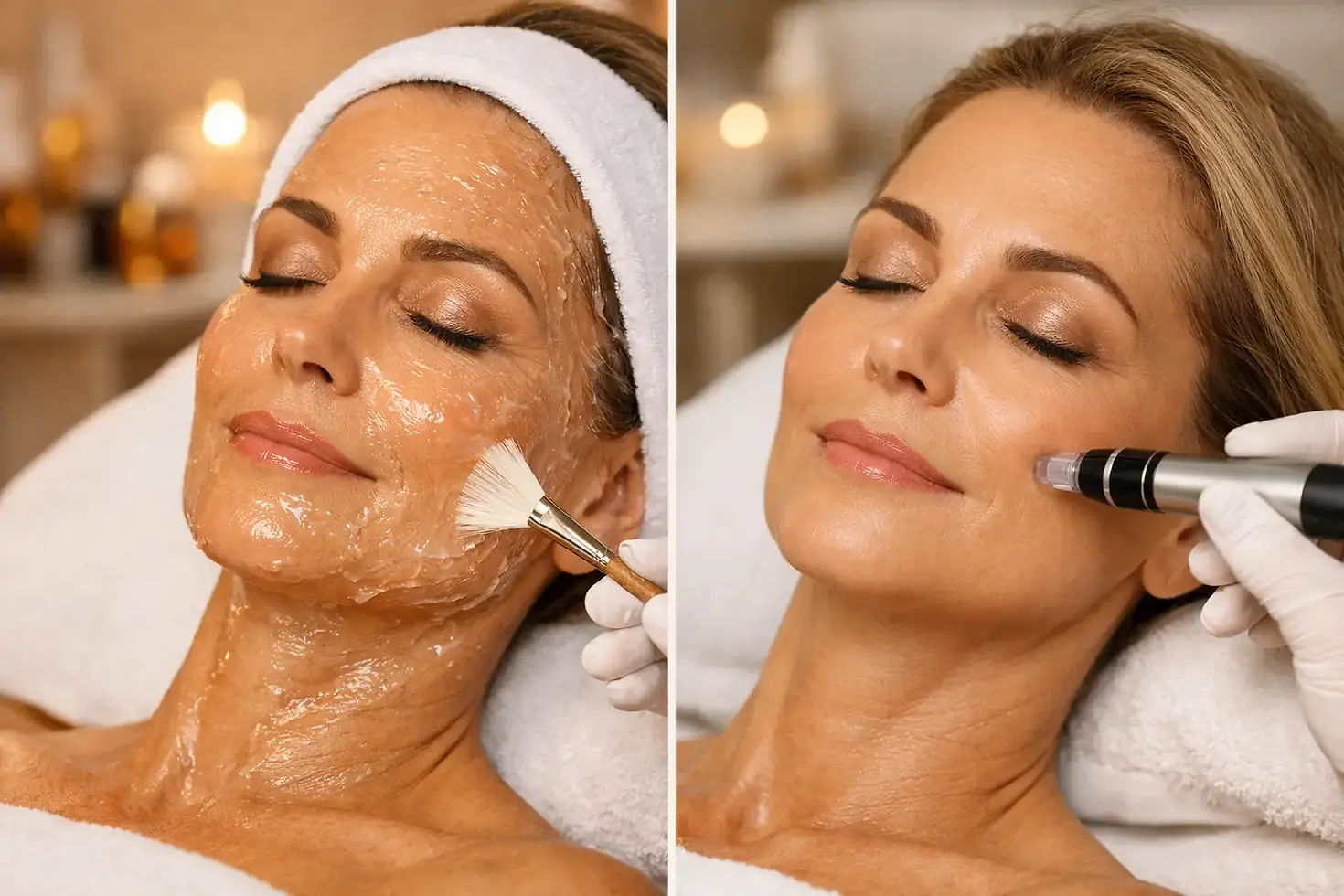
A chemical peel uses a carefully selected solution to exfoliate the outer layers of skin. As that damaged surface sheds, fresher skin appears underneath. Depending on the strength of the peel, treatment can range from light brightening to more noticeable correction of pigment and texture.
Microneedling works in a different way. Instead of dissolving surface layers, it creates controlled micro-injuries in the skin. That process stimulates the body’s natural healing response and encourages collagen production. The goal is not just exfoliation, but remodeling from within.
That difference matters because skin concerns do not all begin at the same level. Some are more superficial, such as dullness or mild discoloration. Others, like acne scarring and early loss of firmness, often need collagen stimulation below the surface.
When a chemical peel may be the better choice
Chemical peels are often a strong option for patients who want brighter, more even-looking skin. If your main concerns are sun damage, mild hyperpigmentation, roughness, or a tired complexion, a peel can be an efficient way to refresh the skin.
This treatment can also help patients dealing with acne, especially when congestion and excess oil are part of the problem. Certain peel formulations support clearer pores while improving post-acne discoloration over time.
The appeal of a peel is often in how direct it feels. You treat the surface problem at the surface. For many patients, that makes sense. If the issue is blotchy tone, a buildup of dead skin, or mild textural irregularity, exfoliation may be exactly what the skin needs.
That said, not every peel is right for every skin type or every goal. Deeper peels can involve more peeling, redness, and recovery. Lighter peels may require a series of treatments to produce the result you want. The best outcome depends on proper treatment selection, not simply choosing the strongest option.
When microneedling may be the better choice
Microneedling is often a better fit when the concern goes beyond surface dullness. Patients with acne scars, fine lines, enlarged pores, or early skin laxity often benefit from collagen-focused treatment. Because microneedling encourages the skin to rebuild itself, it can create gradual improvement in texture and firmness.
This treatment is especially appealing to patients who want skin rejuvenation without the peeling process associated with some chemical peels. The skin may look pink or feel tight after treatment, but the recovery experience is often different from the visible flaking many people expect with a peel.
Microneedling can also be a good option for patients who want improvement over time rather than a quick exfoliating reset. It asks for patience. Results tend to build with a series of treatments, and collagen remodeling does not happen overnight. But for the right candidate, that gradual progress can look very natural.
Which treatment is better for acne scars?
If acne scars are your main frustration, microneedling often has the advantage. That is because many acne scars are caused by structural changes deeper in the skin. Surface exfoliation can help discoloration left behind by breakouts, but indented scarring usually needs collagen stimulation to soften and smooth the area.
A chemical peel may still play a role if your acne has left dark marks or uneven tone. In that setting, the discoloration may respond well to exfoliation and skin renewal. Some patients have both issues at the same time - red or brown post-acne marks and textural scarring - which is why a customized plan matters.
Which treatment is better for fine lines and aging skin?
For early aging concerns, both treatments can be effective, but they help in different ways. A chemical peel can brighten tired skin, improve mild pigment changes, and soften the look of fine lines by improving surface quality. If your skin looks dull or weathered, that can make a noticeable difference.
Microneedling may be the stronger option when fine lines are paired with crepey texture or mild loss of firmness. Collagen support becomes more important as skin ages, and that is where microneedling often stands out.
This is one of the most common it-depends situations in aesthetics. If your biggest concern is tone, choose the treatment that best improves tone. If your biggest concern is texture and support, choose the one that addresses those changes more directly.
Downtime, comfort, and what to expect
For many patients, the decision comes down to lifestyle. They want to know what they will look like afterward and how quickly they can return to work, social plans, or daily routines.
After a chemical peel, the skin may feel tight, look red, and then begin to flake or peel depending on the depth of treatment. Some patients do very well with that. Others would rather avoid visible peeling.
After microneedling, redness is common and often resembles a sunburn at first. There may also be mild swelling or sensitivity. The skin usually settles as it heals, but the timeline varies by patient and treatment intensity.
Comfort matters too. Some patients prefer a treatment that feels more like exfoliation. Others are comfortable with a collagen-stimulating procedure if the long-term goal is worth it to them. Neither preference is wrong. The right plan should fit your skin and your schedule.
Skin tone and customization matter
One of the biggest mistakes in aesthetics is talking about treatments as if they work the same way for everyone. They do not. Skin tone, sensitivity, history of pigment changes, active acne, rosacea tendency, and previous treatments all affect what is appropriate.
That is why physician-led evaluation matters. A treatment that sounds perfect online may not be ideal for your skin in person. The safest and most flattering results usually come from matching the treatment to the individual rather than chasing whatever is most popular.
At Magnolia Plastic Surgery, treatment planning is centered on natural-looking improvement and physician-guided care. For patients who want to refresh their skin without guessing, that kind of personalized evaluation can make the decision much clearer.
Can you do both?
In some cases, yes. Chemical peels and microneedling are not always opposites. They can be part of a broader skin strategy when used thoughtfully and at the right intervals. One may help improve pigment and radiance, while the other supports collagen and texture.
What matters is timing, skin readiness, and professional guidance. Stacking treatments without a plan can irritate the skin rather than improve it. Combining them the right way is about sequence and customization, not doing more for the sake of doing more.
How to choose with confidence
If your skin concern is mainly discoloration, dullness, or mild acne-related marks, a chemical peel may be the simpler and more direct solution. If you are more concerned with acne scars, pores, fine lines, or skin texture, microneedling may be the better fit.
Still unsure? Think less about the treatment name and more about the result you want. Do you want brighter skin, smoother texture, fewer visible scars, or a firmer look? Once that goal is clear, the right treatment usually becomes easier to identify.
The best cosmetic results rarely come from choosing what is trendy. They come from choosing what fits your skin, your goals, and the kind of improvement you want to see every time you look in the mirror.


Comments